Page 1 of 5
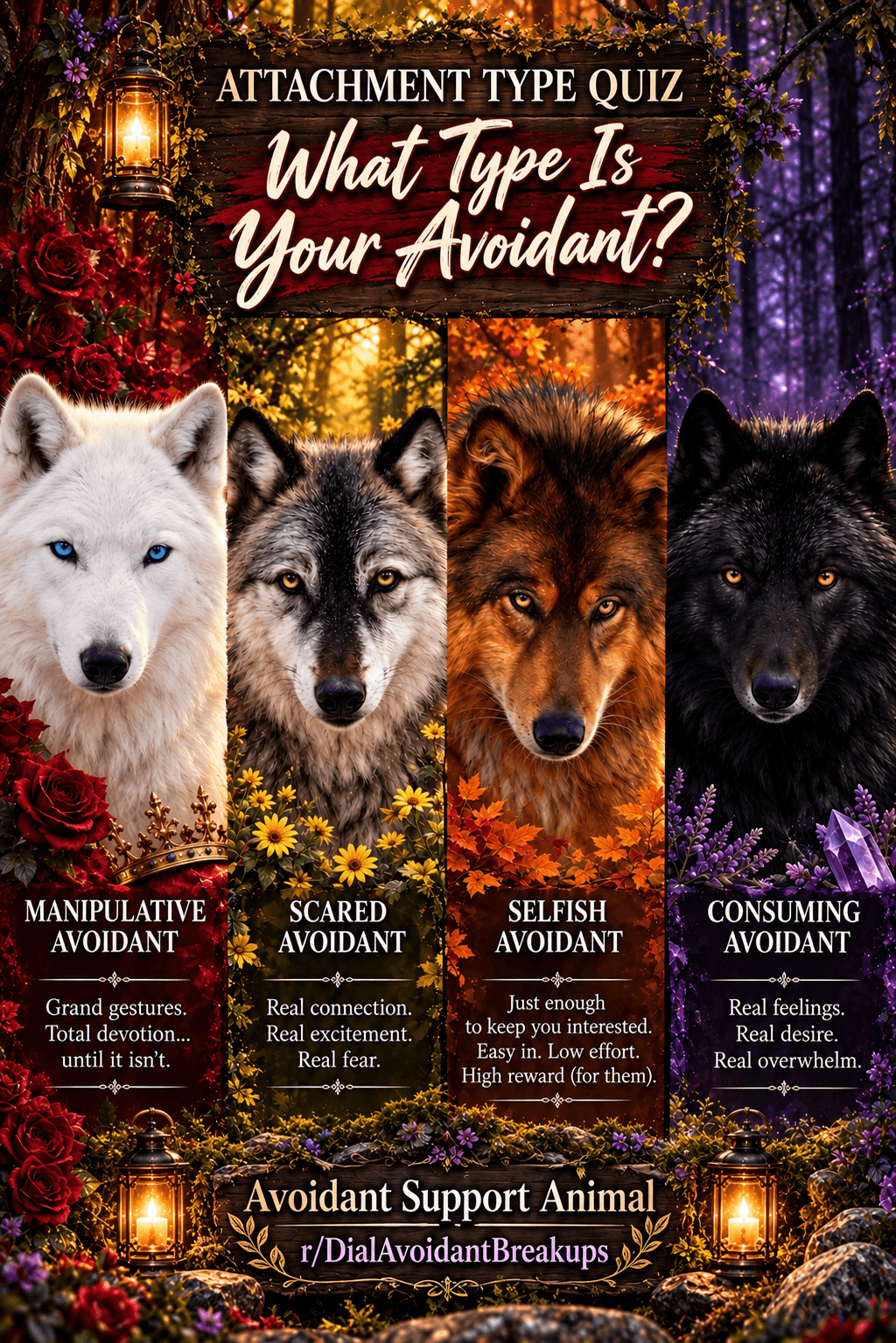
What Attachment Type is My Ex / Avoidant?
This quiz looks at patterns of behavior in relationships to help identify which of the Four Attachment Types your ex most closely resembles.
1. When they believed you were criticizing or rejecting them, what response was most typical?
*
A
They became defensive and focused on what you had done wrong.
B
They became visibly worried that they had disappointed you or damaged the relationship
C
Their response varied dramatically between defensiveness, distress, withdrawal, and attempts to repair
D
They minimized the issue and tried to end the uncomfortable conversation.
2. When you told them they hurt you how did they respond?
*
A
Their response was inconsistent. They could be deeply remorseful at one point, then defensive, distant, or overwhelmed at another
B
C. They acknowledged it, but seemed frustrated by how much discussion, repair, or change I expected afterward.
C
They became defensive and focused on explaining, justifying, or challenging my version of what happened.
D
They became visibly upset with themselves and worried that what they had done might damage the relationship
3. During conflict, what response was typical?
*
A
They minimized the problem, avoided the discussion, or tried to end it because they did not want to deal with the conflict.
B
They became distressed and focused on whether the conflict meant something was wrong with the relationship or that I might leave.
C
They became defensive and shifted the focus toward my faults, behavior, or what I had done wrong.
D
Their response was unpredictable. They might pursue the argument intensely, become highly emotional, shut down, or suddenly withdraw.
4. Which situation seemed to create the strongest emotional reaction in them?
*
A
Feeling rejected, betrayed, disrespected, or as though they could no longer trust me.
B
D. There wasn't one clear pattern. Several of these situations could trigger a strong reaction at different times.
C
C. Feeling pressured, controlled, obligated, or like the relationship was taking away their freedom.
D
Feeling that they had disappointed me, weren't good enough for me, or might lose me.
5. How did they react when they believed you might leave?
*
A
B. They became visibly distressed, sad, or afraid and tried to prevent the relationship from ending.
B
They became angry, defensive, or dismissive and focused on why I was wrong for wanting to leave.
C
They seemed disappointed or upset, but accepted the separation without strongly trying to stop me.
D
Their reaction could change dramatically. They might plead with me to stay, become angry, shut down, withdraw, or leave first.
6. When the relationship seemed to be going well for them, what appeared to matter most?
*
A
Having the relationship without feeling pressured, restricted, or responsible for more than they wanted to give.
B
Feeling respected, valued, and confident that I was loyal to them.
C
Feeling accepted, reassured, and confident that I wasn't going to leave them.
D
Their needs seemed to shift. At different times they strongly wanted reassurance, loyalty, closeness, freedom, or distance.
7. After a particularly intimate, vulnerable, or emotionally close moment, what usually happened?
*
A
Their response varied considerably. Sometimes they wanted even more closeness, while other times the same level of intimacy seemed to overwhelm them and make them retreat.
B
They seemed comfortable with the closeness at first, but later became more guarded, defensive, or emotionally controlled.
C
They seemed emotionally affected by the vulnerability and sometimes worried about what it meant for us or whether the relationship was safe.
D
They generally tolerated the closeness, but pulled back if it began creating expectations for more time, availability, or commitment. Their response varied considerably. Sometimes they wanted even more closeness, while other times the same level of intimacy seemed to overwhelm them and make them retreat.
8: What did deactivation look like?
*
A
They became increasingly critical, defensive, or negative toward me and seemed to reinterpret the relationship through what I had done wrong.
B
They withdrew with visible sadness, guilt, or regret, while seeming convinced that distance or ending the relationship was necessary.
C
Their distancing was intense or inconsistent. They might shut down, become angry, block me, express heartbreak, reconnect, and then withdraw again.
D
Their effort gradually decreased. They contacted me less, became less available, and seemed increasingly relieved by having fewer relationship expectations.
9. What most consistently seemed to trigger their emotional withdrawal or deactivation?
*
A
Increased expectations for their time, availability, commitment, emotional involvement, or responsibility within the relationship.
B
There wasn't one consistent trigger. Rejection, fear of losing me, vulnerability, conflict, commitment, or increased expectations could each cause them to pull away at different times.
C
Believing they had disappointed me, weren't enough for me, or that I might eventually leave them.
D
Feeling criticized, rejected, betrayed, disrespected, or believing I had done something that made me less trustworthy.
10. When they were hurt, disappointed, or activated, how did their view of you tend to change?
*
A
Their view of me stayed relatively stable, but their enthusiasm for the relationship decreased when it began feeling demanding or inconvenient.
B
They became much more focused on my faults or wrongdoing and seemed to reinterpret previous events more negatively.
C
They still seemed to care about me, but became more focused on what was wrong with themselves or why they might not be good enough for the relationship.
D
Their perception of me could shift dramatically. They might idealize me at one point and then become intensely disappointed, distrustful, or negative toward me when activated.
11. When they became angry or resentful toward you, what response was most typical?
*
A
Their anger was intense or unpredictable. They might lash out, withdraw, block me, become deeply upset, or rapidly shift between anger and wanting connection.
B
They became irritated by the relationship itself and pulled back from communication, effort, or responsibilities they no longer wanted to deal with.
C
They became accusatory or critical and focused heavily on my faults, intentions, or wrongdoing.
D
They became hurt or withdrawn and seemed more likely to retreat than openly express their anger.
12. When they were clearly responsible for hurting you or creating a problem, how did they usually respond?
*
A
They became remorseful, ashamed, or worried that what they had done had damaged the relationship.
B
They defended or justified their behavior, redirected attention toward what I had done, or challenged whether they were really at fault.
C
They might acknowledge what happened, but resisted prolonged discussion, repair, or changes that felt burdensome or demanding.
D
Their response varied significantly. Sometimes they took full responsibility and showed intense remorse; other times they became defensive, shut down, or refused responsibility.
13. When you needed emotional support, time, reassurance, or practical help from them, what response was most typical?
A
C. They were willing to help, but became resistant or irritated when my needs required more time, effort, availability, or sacrifice than they were comfortable giving.
B
Their response varied significantly. At times they were extremely attentive and giving; at other times similar needs seemed to overwhelm them or make them withdraw.
C
A. They were more responsive when helping allowed them to feel valued, respected, capable, or important in the relationship.
D
B. They tried hard to meet my needs and could become distressed or self critical when they believed they had let me down.
14. When they received reassurance, praise, affection, or validation from you, what effect did it seem to have?
*
A
It seemed especially important for maintaining their confidence, sense of importance, or certainty about where they stood with me.
B
It seemed to reassure them that they were good enough for me and that I still accepted and wanted them.
C
They appreciated it, but it did not seem to substantially change their need for independence, space, or control over their time.
D
Its effect varied. At times they seemed to need reassurance intensely, while at other times the same attention appeared uncomfortable or made them pull away.
15. When the relationship moved toward greater commitment, exclusivity, or long term expectations, what response was most typical?
*
A
They wanted the commitment but became anxious about whether they could be the partner I needed or whether the relationship would eventually fail.
B
They became more concerned with trust, loyalty, control, or whether committing would leave them vulnerable to being hurt.
C
They resisted increased expectations and emphasized why more commitment, responsibility, or structure was unnecessary or too restrictive.
D
They could be intensely enthusiastic about commitment and then become frightened, doubtful, overwhelmed, or suddenly need distance once it became real.
16. As the relationship became more serious and they were increasingly included in your life, how did they respond?
*
A
They participated, but seemed especially sensitive to whether they were respected, accepted, or secure in their place within my life.
B
They could be excited about becoming part of my life and then become overwhelmed or retreat once the increased closeness and seriousness became real.
C
They were comfortable participating as long as it didn't create expectations for significantly more involvement, obligation, or commitment.
D
They wanted to be included but could become anxious about whether they would fit in, be accepted, or disappoint the people important to me.
17. When they talked about previous relationships that had ended badly, how did they usually explain what happened?
*
A
Their account was complicated or changed depending on the relationship. They could describe betrayal, their own failures, feeling trapped, intense attachment, regret, or resentment.
B
They emphasized incompatibility, excessive expectations, conflict, or ways the relationship had become too difficult or demanding.
C
They focused heavily on how the other person had wronged, betrayed, rejected, or mistreated them.
D
They expressed regret about their own mistakes and sometimes seemed to carry guilt or sadness about having disappointed or lost someone.
18. If they periodically contacted you after the breakup without clearly rebuilding the relationship, what pattern best described those interactions?
*
A
They seemed comfortable maintaining occasional contact as long as it stayed casual and did not create expectations for greater involvement.
B
Their contact was emotionally inconsistent. They might strongly reconnect, become vulnerable or affectionate, and then abruptly retreat again.
C
They seemed especially interested in whether I still valued them, thought positively of them, or remained emotionally available to them.
D
They seemed concerned about whether I was okay, whether I hated them, or whether the breakup had permanently damaged our connection.
19. As you became more integrated into their everyday life, what pattern was most typical?
*
A
They welcomed the integration but could become anxious about whether they were doing enough, whether I was happy, or whether the relationship would last.
B
They wanted me involved, but seemed particularly concerned with maintaining control over how, when, and where I fit into their life.
C
They could integrate me very quickly and intensely, then suddenly become overwhelmed and create significant distance or separation.
D
They preferred keeping some areas of their life separate and became uncomfortable when greater integration created more expectations or obligations.
20. If they wanted to remain friends after the breakup, what did that friendship tend to look like?
*
A
They wanted continued contact and seemed particularly interested in knowing that I still valued, respected, or cared about them.
B
They wanted to preserve an emotional connection and seemed distressed by the idea of losing me completely.
C
Friendship repeatedly became emotionally complicated. Closeness could return quickly, followed by renewed fear, conflict, romantic feelings, or withdrawal.
D
They seemed more comfortable with the connection once the expectations and responsibilities of a romantic relationship were removed.
21. If they blocked or abruptly cut off contact with you, what usually happened immediately beforehand?
*
A
They seemed deeply hurt, ashamed, or convinced that I no longer wanted or cared about them.
B
There wasn't one consistent pattern. They might block during anger, heartbreak, fear, overwhelm, or after intense closeness, and sometimes later reverse the decision.
C
They felt criticized, rejected, betrayed, disrespected, or angry about something they believed I had done.
D
Contact had become demanding, stressful, or intrusive, and they appeared to want immediate distance from the situation.
22.When you stopped pursuing, reassuring, or asking for more and gave them plenty of space, what usually happened?
*
A
They seemed noticeably more comfortable and were content with the reduced level of contact or expectation.
B
They often became worried about the distance and looked for signs that I still cared or wasn't leaving.
C
Their response was inconsistent. They could enjoy the space at first, then strongly seek connection once the distance became real.
D
They were more likely to reengage once they felt less exposed or more certain they still mattered to me.
23. After the breakup, how did their feelings or behavior toward you change over time?
*
A
A. They remained focused on what I had done wrong or why ending the relationship was justified, especially when they felt hurt or rejected.
B
Their feelings appeared to cycle. They could miss me intensely or want to reconnect, then become doubtful, overwhelmed, angry, or distant again.
C
Once enough distance was established, they seemed increasingly comfortable with the separation and less motivated to revisit the relationship.
D
They continued to show sadness, regret, guilt, or concern about losing me, even when they believed the breakup was necessary.
24. If cheating, triangulation, or another romantic connection occurred, what pattern most closely surrounded it?
*
A
It appeared when they seemed afraid that I was pulling away, losing interest, or might leave them.
B
It appeared as our relationship became more demanding, restrictive, conflict heavy, or expected more commitment from them.
C
It appeared during periods when they felt rejected, betrayed, criticized, or uncertain about my loyalty to them.
D
There was no clear pattern. It could occur alongside intense attachment, fear of losing me, resentment, distancing, or attempts to maintain multiple connections.
25. In the period immediately after the breakup, what pattern best described how they coped?
*
A
Their response shifted considerably. They could be devastated, angry, relieved, desperate to reconnect, or determined to stay away at different times.
B
They sought distance from the emotional intensity and seemed increasingly relieved as expectations, conflict, or relationship responsibilities disappeared.
C
They focused heavily on my faults, what I had done wrong, or reasons the relationship had been harmful or unfair to them.
D
They appeared deeply sad, guilty, or regretful and seemed to struggle with the loss or with feeling that they had failed the relationship.
26. When the relationship became emotionally difficult, what seemed to matter most to them?
*
A
Regaining freedom, independence, and relief from relationship pressure or expectations.
B
Feeling respected, in control, and protected from rejection or betrayal.
C
Knowing they were still loved, accepted, and unlikely to lose me.
D
It seemed to change. At different times they wanted closeness, reassurance, control, freedom, or distance.
27. What tended to happen when the relationship was going well and there was no obvious conflict or problem?
*
A
They enjoyed the closeness, but sometimes became anxious about whether it would last or whether they could continue being the partner I needed.
B
They enjoyed the relationship until increasing closeness began bringing more expectations for their time, availability, or involvement.
C
They seemed comfortable, but could become more guarded if they began feeling emotionally exposed or vulnerable to being hurt.
D
Even during very good periods, their response to closeness could shift dramatically. They might become intensely attached and then suddenly doubtful, overwhelmed, or distant.
Submit