Form cover
Page 1 of 1

Cognitive Vulnerabilities for Engineering Workforce: AI & Social Media Influence

As AI tools and algorithm-driven social media platforms become deeply embedded in academic routines and technical communications, human decision-making processes (Perceive, Attend, Decide) face unprecedented cognitive demands. This brief 5-minute survey explores how social media usage patterns, doomscrolling/notifications, and AI integration intersect with cognitive vulnerabilities and technical judgment among aerospace engineering students. Responses are completely anonymous.

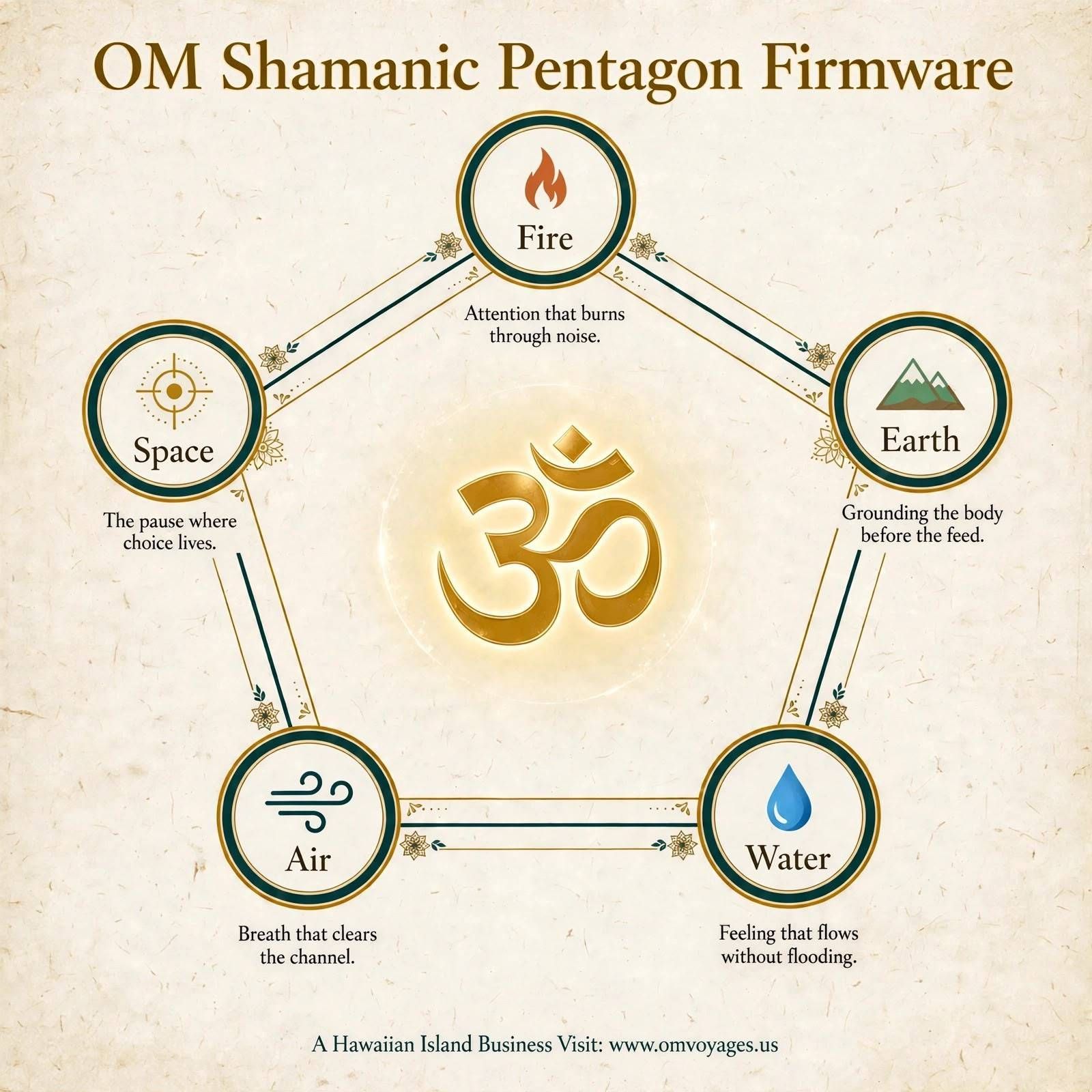
As a thank-you, everyone who completes the survey gets free access to our Meditation 101 online class ($49, 1 hour). Claims close November 30, 2026. Sharing your name and contact details at the end is optional — leave them blank and your answers stay completely anonymous.

Section 1: Academic & Digital Habits

Current Level of Study:

A
B
C
D

Daily Digital Exposure & Social Media Use:

A
B
C
D

Primary channels used for technical news, engineering discussions, or academic updates:

A
B
C
D
E

If you chose Other above, what do you use instead?

Section 2: Cognitive Vulnerability & Social Media Dynamics

https://storage.tally.so/59098622-ef2e-4dad-8323-7029fb333963/cognitive-system-attack-vectors-v3.png
Human System Attack Vectors

Vector 1: Attention Hijack & Compulsive Media Checking (Feeds, doomscrolling, and notification addiction disrupting deep focus) When engaged in deep aerospace engineering tasks (e.g., CAD design, orbital mechanics derivations, flight dynamics simulations), how severely do social media notifications or impulsive feed checking interrupt your focus?

A
B
C
D

Vector 2: Deepfakes, Impostor Expertise & Synthetic Media (Engineered content, sensationalized AI/tech videos, and unverified viral claims) How often do you find yourself initially accepting sensationalized engineering claims, AI updates, or tech demonstrations on social media before verifying the underlying peer-reviewed literature or source data?

A
B
C
D

Vector 3: Engineered Consensus & Viral Repetition (Algorithmic echo chambers, trending tech opinions, and repetitive feed confirmation) When an engineering trend or software preference (e.g., specific propulsion concepts, programming languages, CAD tools) trends repeatedly across your social feeds and AI summaries, how heavily does that popularity influence your trust in its validity?

A
B
C
D

Vector 4: Outrage, Hype & Tribalism in Technical Decisions (Social media debate culture and outrage dynamics overriding engineering objectivity) How much does social media "tribalism" or polarized community debate (e.g., open-source vs. proprietary software, startup hype vs. traditional aerospace defense) affect your personal technical preferences or project choices?

A
B
C
D

Section 3: Mitigation & Awareness

Which cognitive stage do you feel is MOST severely impaired by combined social media addiction and continuous AI reliance?

A
B
C

What step, practice, or departmental policy could aerospace programs implement to build digital mindfulness and cognitive resilience against media addiction and algorithmic bias?

Your details (optional)

Sharing your name and contact details is entirely optional — leave this blank and your answers stay completely anonymous. If you'd like your free Meditation 101 seat in December, leave your email (and WhatsApp if you like) and we'll send your invite in early December. Your details are used only for the class invite — never shared with UCCS, AIAA, or any faculty, and removed before any analysis of the survey.

Name

Email address

WhatsApp number